
From Design to Delivery: How CNC Routers Improve Manufacturing Workflow
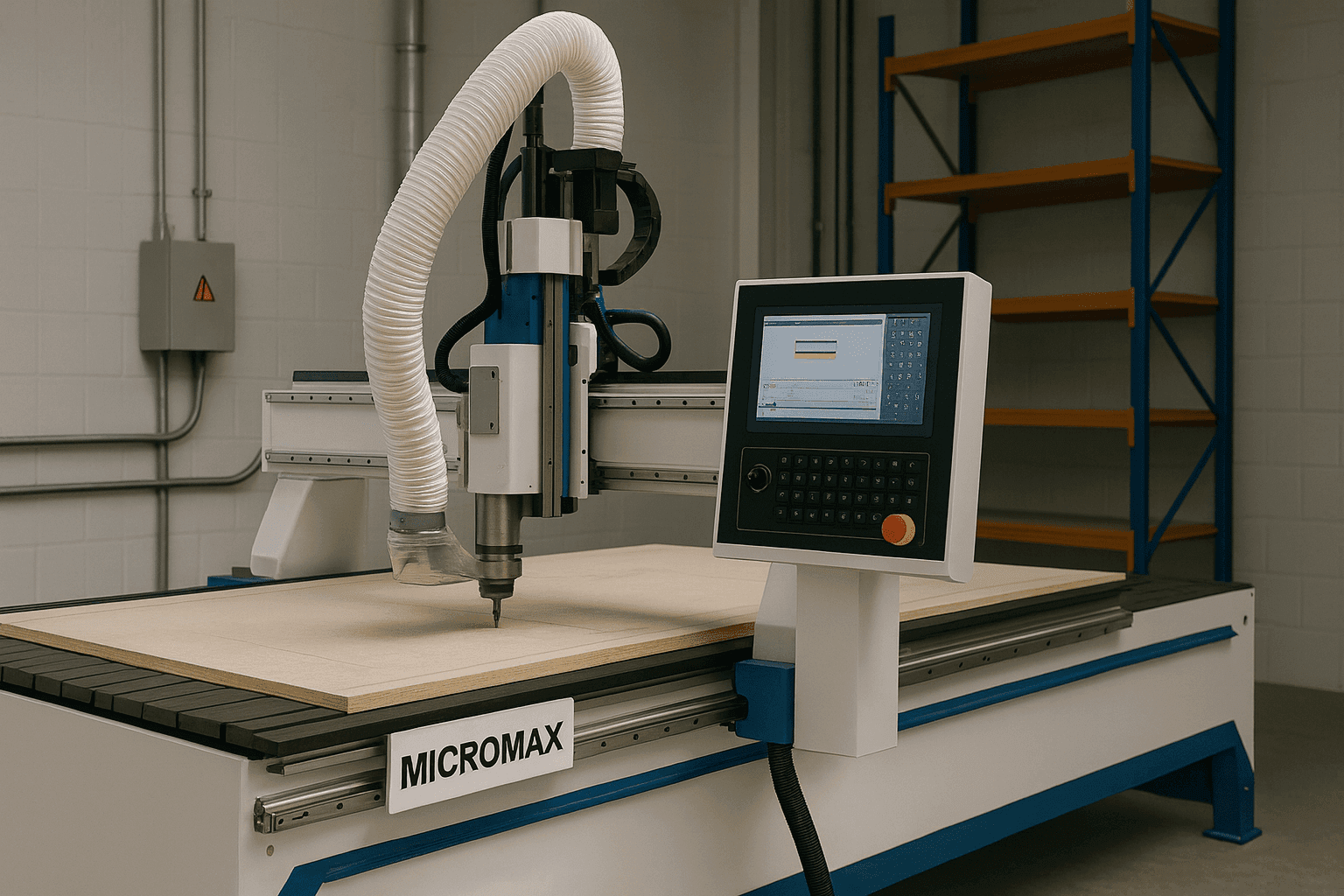 How CNC routers streamline the path from CAD design to finished product, cutting lead times and waste for UK workshops and manufacturers.
In today’s competitive manufacturing landscape, efficiency is everything. UK workshops, furniture makers, and industrial manufacturers are constantly seeking ways to reduce costs, speed up production, and deliver consistent quality. One solution leading the charge is CNC router technology. By automating key stages of the workflow, CNC routers bridge the gap between creative design and finished product with precision and reliability.
The Role of CNC Routers in Modern Manufacturing
CNC (Computer Numerical Control) routers have revolutionised the way manufacturers approach production. Instead of relying on manual cutting or outdated machinery, CNC routers use digital designs to guide the cutting process. This ensures each piece is identical, accurate, and produced at a fraction of the time compared to traditional methods.
Related reading: see the machines behind this workflow, our CNC routers and the Micromax 2030 L ATC.
For businesses in the UK, this means:
- Faster turnaround on client orders.
- Less material waste through precision cutting.
- The ability to scale production without compromising quality.
From CAD Design to Finished Product
A streamlined workflow begins with design. Engineers or designers create a CAD (Computer-Aided Design) file that represents the product. Once uploaded to the CNC router’s software, the machine translates the design into a precise cutting path.
This design-to-delivery process includes:
- Digital Design Input – Uploading CAD files directly to the router software.
- Automated Tool Path Generation – The system calculates the most efficient cutting route.
- Precision Cutting – The CNC router executes with unmatched accuracy.
- Consistent Replication – Each piece produced matches the design exactly, even at scale.
This seamless integration drastically reduces human error and speeds up production times.
Efficiency Across Different Industries
CNC routers are not limited to woodworking. UK manufacturers across sectors are using them for:
- Furniture manufacturing – Creating panels, doors, and intricate decorative details.
- Sign making – Producing logos and lettering with clean, professional finishes.
- Joinery – Precision cuts for cabinets, staircases, and bespoke fittings.
- Metal and plastic fabrication – Expanding beyond wood to cover multi-material projects.
The flexibility of CNC technology makes it invaluable for small workshops and large-scale factories alike.
Benefits for UK Businesses
Adopting CNC router technology provides measurable business benefits:
- Reduced labour costs – Less manual cutting, more automated productivity.
- Enhanced product quality – Every product meets consistent quality standards.
- Shorter lead times – Quicker production cycles improve client satisfaction.
- Greater scalability – Easily handle one-off projects or mass production.
For UK companies looking to grow, CNC routers are not just a tool but a strategic investment.
The Future of Manufacturing Workflows
With the rise of Industry 4.0, CNC routers are becoming smarter. Modern machines integrate with IoT platforms, enabling remote monitoring, predictive maintenance, and real-time performance tracking. UK businesses that invest now will future-proof their operations, staying ahead of competitors who still rely on outdated methods.
Final Thoughts
From the first CAD drawing to the final delivery, CNC routers transform manufacturing workflows by saving time, reducing waste, and guaranteeing precision. For UK manufacturers seeking to improve efficiency and profitability, embracing CNC automation is no longer optional - it’s essential.
Ready to Upgrade Your Workshop?
Tell us what you're cutting and where - we'll size the right machine and get you a quote fast.